


I’ve been accused of romantizing train service in other countries and being too hard on Amtrak. I lived in England and still go there fairly often, and I’m well aware that the British complain all the time about the trains (and the post, and the weather). Here’s a taste.
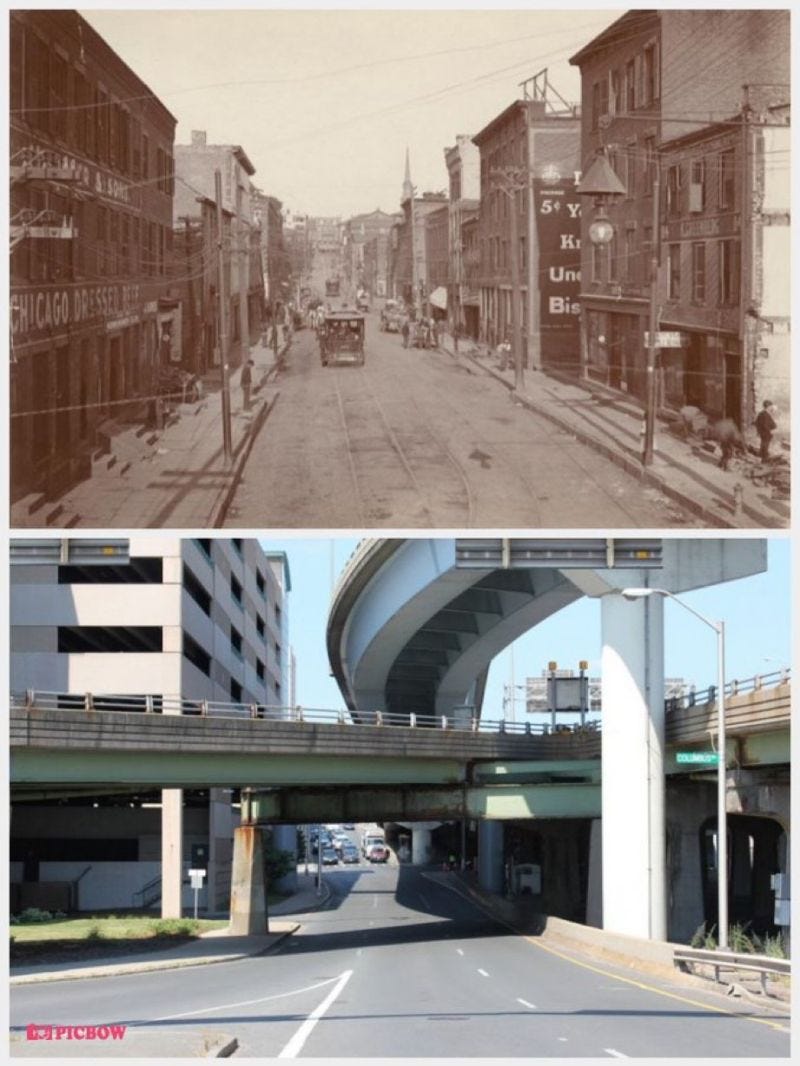
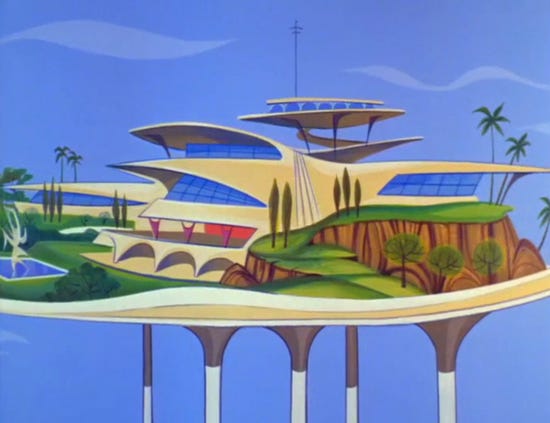
We read and hear about the way the US highways of the 1950s and 1960s broke up communities and deformed our cities. A striking example is Pittsfield, Massachusetts, which you can read about here. But it was these photos of Hartford, Connecticut that made the impact clear to me. I wonder if those who designed these monstrosities had these vision iin mind and thought it a great improvement, a impressive piece of modernization? The second photo looks a bit like the space world of the Jetsons.
By joining us, you are championing a vision for a greener and more connected region, committed to investing in innovative, practical transportation solutions. Let’s take a step towards a more interconnected, sustainable future.
The US isn’t the only country struggling to complete projects
Tensions with Japan slow India’s bullet train
Modi’s flagship partnership project has been dogged by delays and cost overruns
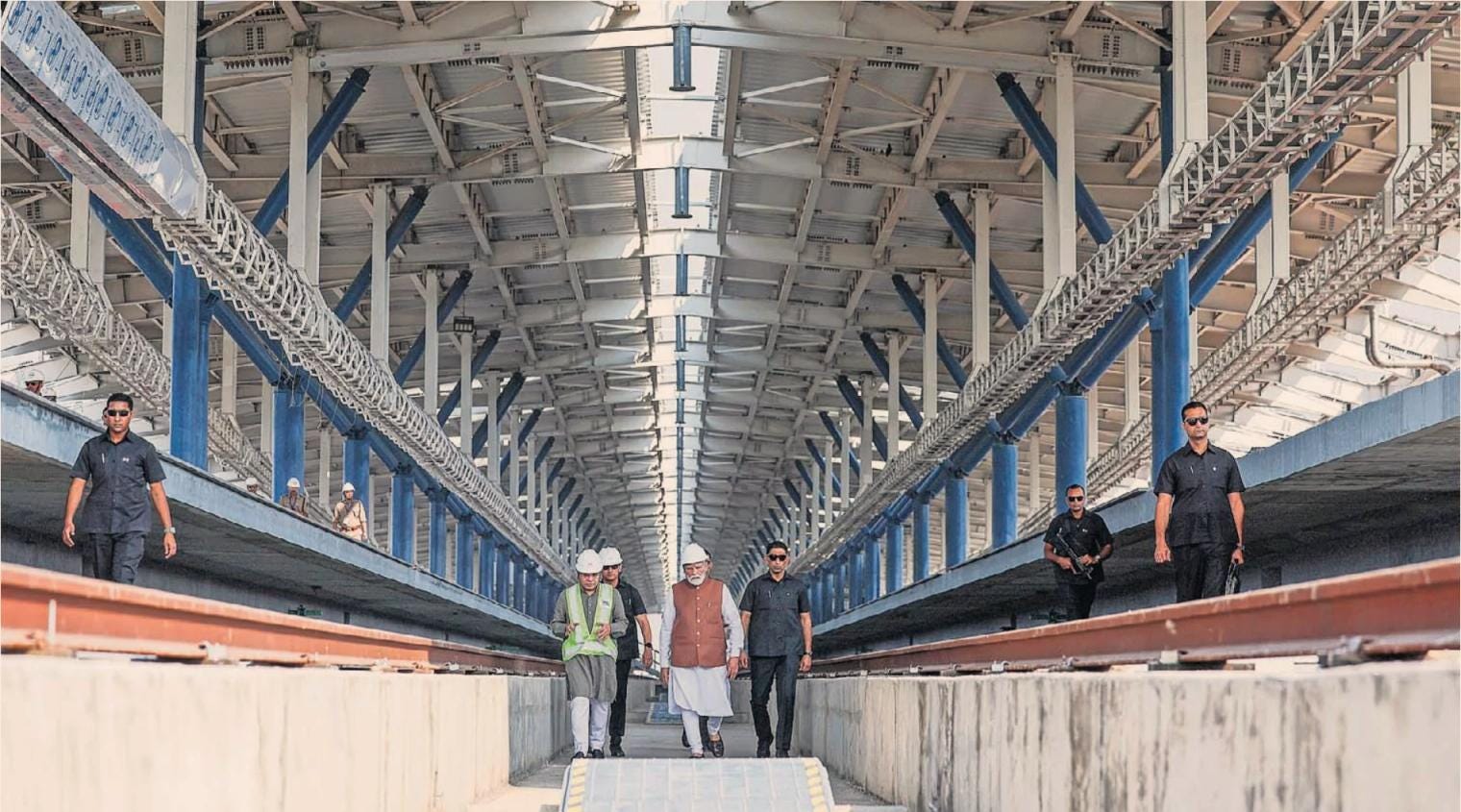
When India decided to build its first bullet train, it was no surprise it turned to Japan, the inventor of high-speed rail and a willing supplier of cheap funding, for help.
But over a decade later, the railway has yet to carry a passenger. An acrimonious dispute has burst into the open over delays, ballooning costs and procurement that has exposed inherent tensions between two countries whose infrastructure ambitions have appeared to be on different tracks.
The 508km line connecting Mumbai and Ahmedabad was envisioned as part of Prime Minister Narendra Modi’s efforts to modernise India’s rail network, the world’s fourth largest.
New Delhi contracted Japan, whose bullet trains are a global envy for their speed, reliability and efficiency. The countries agreed in 2015 to a Rs980bn ($15bn at the time) deal, underpinned by a 50-year loan from Japan at 0.1 per cent interest.
But the start of operations has fallen well behind an initial target of 2023, delayed by lengthy land acquisition procedures. The estimated price tag has rocketed to at least Rs1.87tn ($19.5bn), according to official estimates.
“The failure to make progress is 100 per cent the fault of the Indian side,” Hideki Makihara, a former Japanese justice minister, wrote on X in July. “They never keep their promises.”
Read the whole thing in the Financial Times, which is a favorite of mine, in part because they call this “The new age of the train.”
Passenger rail's 3rd century

The Financial Times calls this “The new age of the train,” and even in the United States there is growing support and new passenger rail projects underway. Our region has some of the most promising rail revival opportunities in the country, and that’s why the Train Campaign and
From 6 years ago
From last week
CT-01 Luke Bronin talks about the rail ahead

Luke Bronin is the 2026 Democratic Party candidate for Connecticut’s 1st Congressional District, having secured the party’s endorsement over 14-term incumbent Rep. John Larson in a historic upset. He was mayor of Hartford and co-chair of the North Atlantic Rail initiative, and joins us again to talk about transportation, infrastructure, and what the new…
All content in Train Time is shared under a Creative Commons License (CC BY-NC-ND):
Attribution (BY) – Always credit the author and Train Time as the original creator with a tag or link to https://traintime.substack.com.
Non-Commercial (NC) – Content cannot be used for commercial purposes.
No Derivatives (ND) – Content may not be modified, adapted, or repurposed.